Introspection

Introspection is a music-based reflection and communication program designed to help participants process experiences, strengthen expression, and build practical tools for resilience. By utilizing meaningful, conscious music and guided creative expression, this program supports personal growth and emotional wellness across schools, community organizations, and mentorship settings.

Music serves as a bridge between experience and expression. Participants engage with powerful songs, explore lyrical meaning through guided dialogue, and respond over time through journaling and creative writing. This structured approach helps individuals reflect, process, and communicate complex ideas in a supportive, trauma-informed environment.

Introspection provides a clear framework for meaningful connection. It empowers participants to translate their inner reflections into outward expression, helping them navigate life with greater clarity and confidence.


How It Works

Each session follows a consistent structure that supports reflection and creative expression:

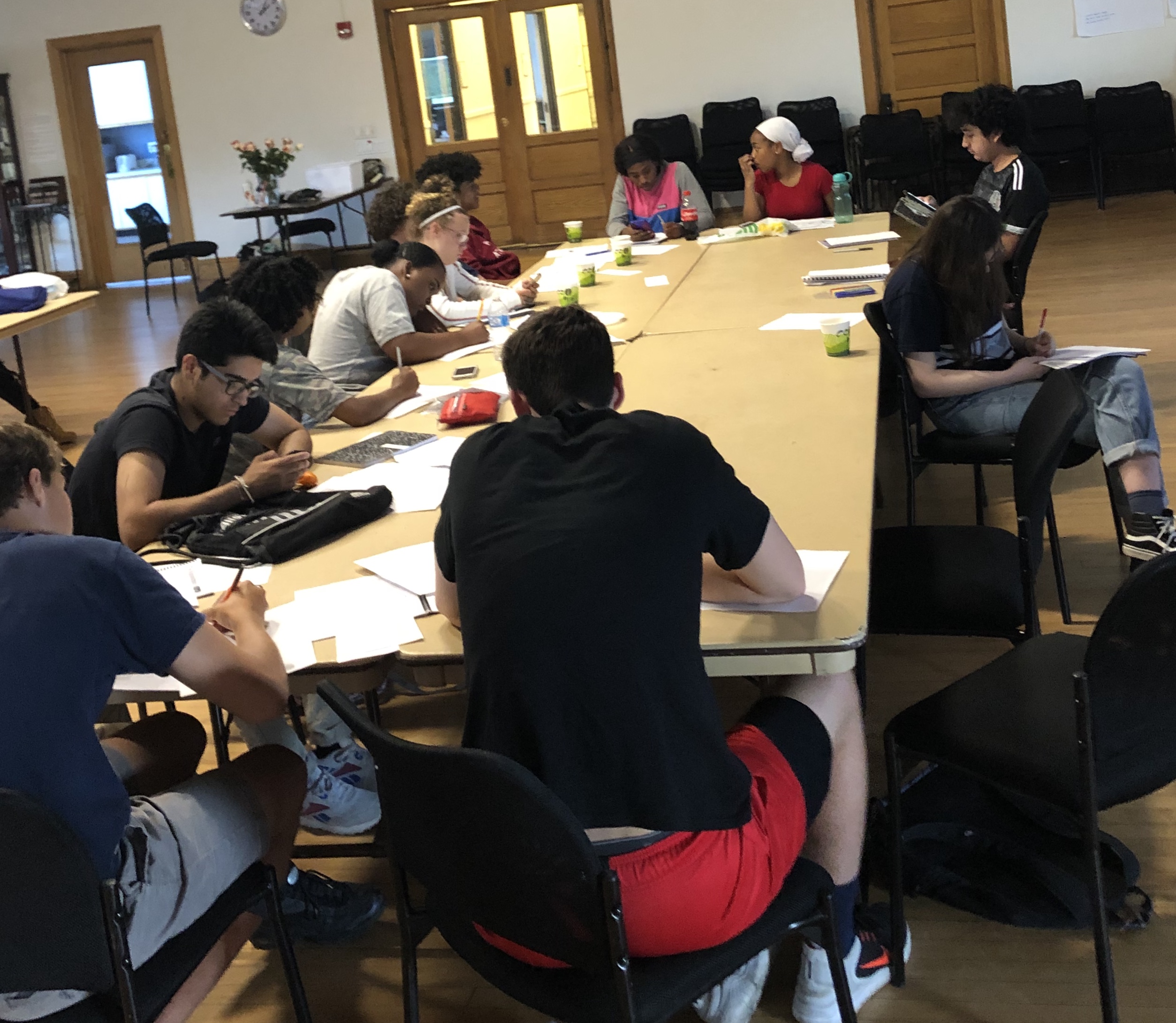
1. Engage & Reflect Participants begin by engaging with meaningful music and exploring lyrical themes such as identity, resilience, growth, and navigating life’s experiences. Guided prompts support reflection and help participants connect song meanings to their own unique perspectives.

2. Structured Dialogue Through guided conversation, participants share insights when comfortable and engage in thoughtful discussion around the themes discovered in the music. This creates a supportive space for diverse viewpoints and shared understanding.

3. Expressive Response Each session concludes with creative writing or an expressive response, including journaling, lyric writing, spoken word, or personal reflection. Over time, participants build a body of work that reflects their voice, perspective, and personal growth.

Who It Serves

This program is designed for:

  • Educational Settings: High school students (Grades 9–12) and alternative education programs.

  • Community & Youth Development: After-school programs, youth centers, and nonprofit organizations.

  • Adult Transitions: Veterans, reentry programs, and young adults navigating life changes.

  • Healing Spaces: Trauma-informed settings and support groups focused on emotional resilience.

Outcomes

Participants develop:

  • Stronger self-awareness and emotional expression
  • Improved communication and reflective thinking
  • Increased confidence in sharing ideas and perspectives
  • Greater clarity in processing personal experiences
  • Enhanced creative writing and expressive skills