Our Story
MeMA-Music grew from a lifetime spent listening to music that meant something.
Founder Jeanne Warsaw grew up on 60s and 70s music built around peace, community, and change — songs that didn’t just play in the background; they said something about the world and asked you to pay attention. After 20 years as an executive in the music industry, she wanted to put that same power in young people’s hands: not just to entertain them, but to give them an entry point into the issues shaping their own lives. Lyrics became a way in. An easier, more exciting way to connect what’s happening in a classroom to what’s happening in a neighborhood, a community, the world. And she wanted young people to see the thread: that the music of that era isn’t a relic; it’s still alive in what they listen to today. That songs, then and now, carry our history, our culture, and the emotions we all share.
That idea became MeMA-Music: music can do more than entertain; it can teach, connect, and inspire people to see themselves as thinkers, creators, and contributors.
Founded in 2011 in response to shrinking access to the arts, MeMA-Music has evolved into a trusted youth development and arts nonprofit serving youth and young adults across Chicago. Through partnerships with schools, community organizations, and specialized groups, we create supportive spaces where young people are seen and heard, and where their ideas, perspectives, and experiences matter. Music becomes a starting point for learning, dialogue, reflection, and creative expression.
“MeMa” was the name Jeanne’s mother, Janine N. Warsaw, used with her grandchildren. Though she never attended college, Janine built a life around the written word as a fiction writer, playwright, legal journal editor, and author of two books profiling some of the nation’s leading trial attorneys. Her life as a writer creates a meaningful connection to MeMA-Music, where writing, creativity, and self-expression are central to the work.
What began as a response to a need has become a 15-year commitment to learning and human development. Today, MeMA-Music continues to create opportunities for participants to build skills and confidence, honor their stories, and imagine new possibilities for the future.
Our Approach
Using music to connect literacy, learning, and lived experience.
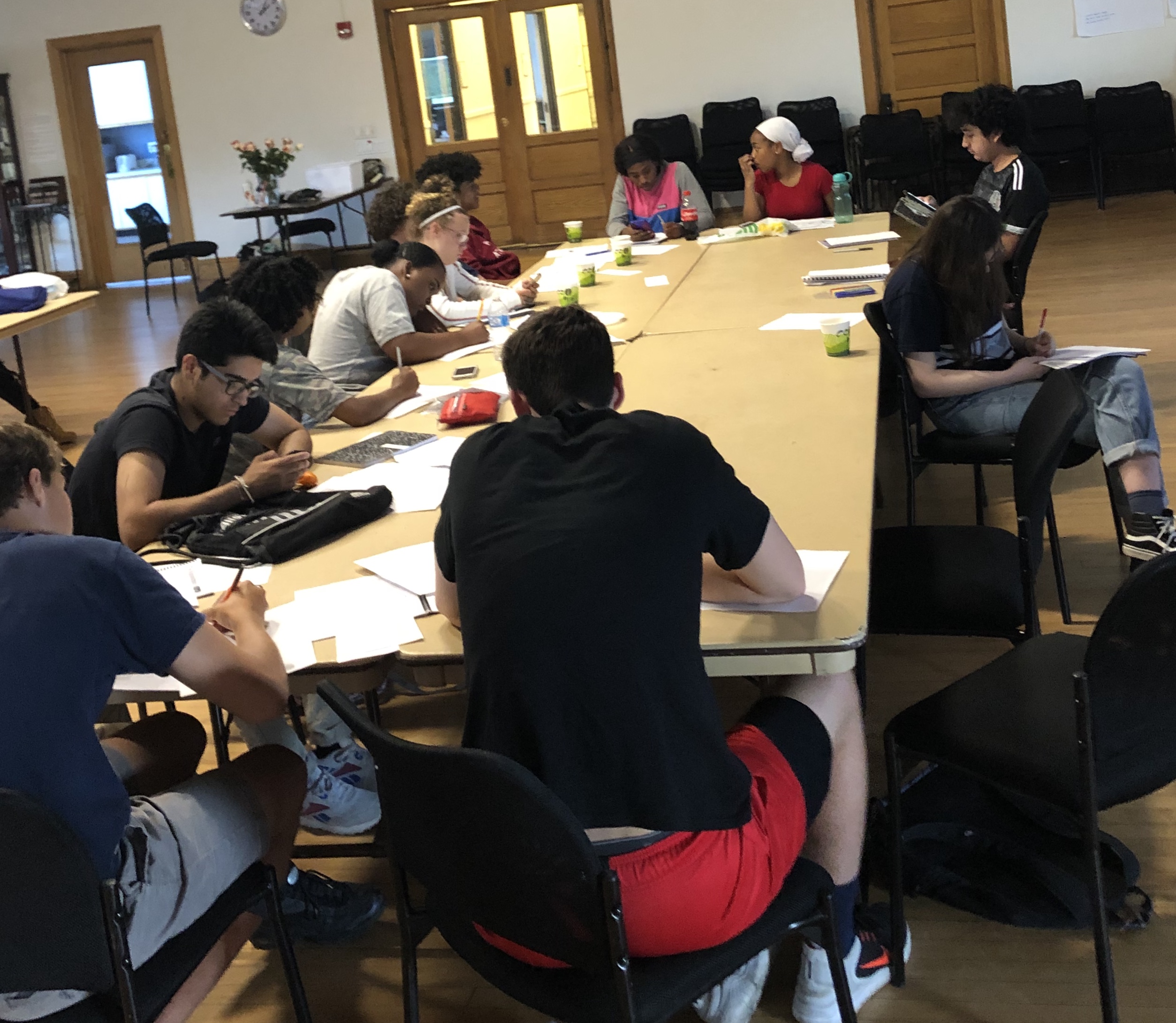
MeMA participants analyzing music lyrics
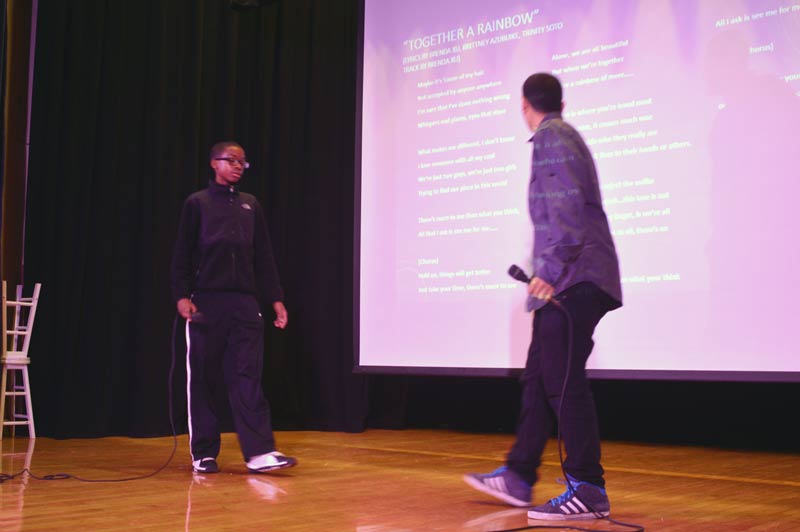
MeMA participants’ song & live performance
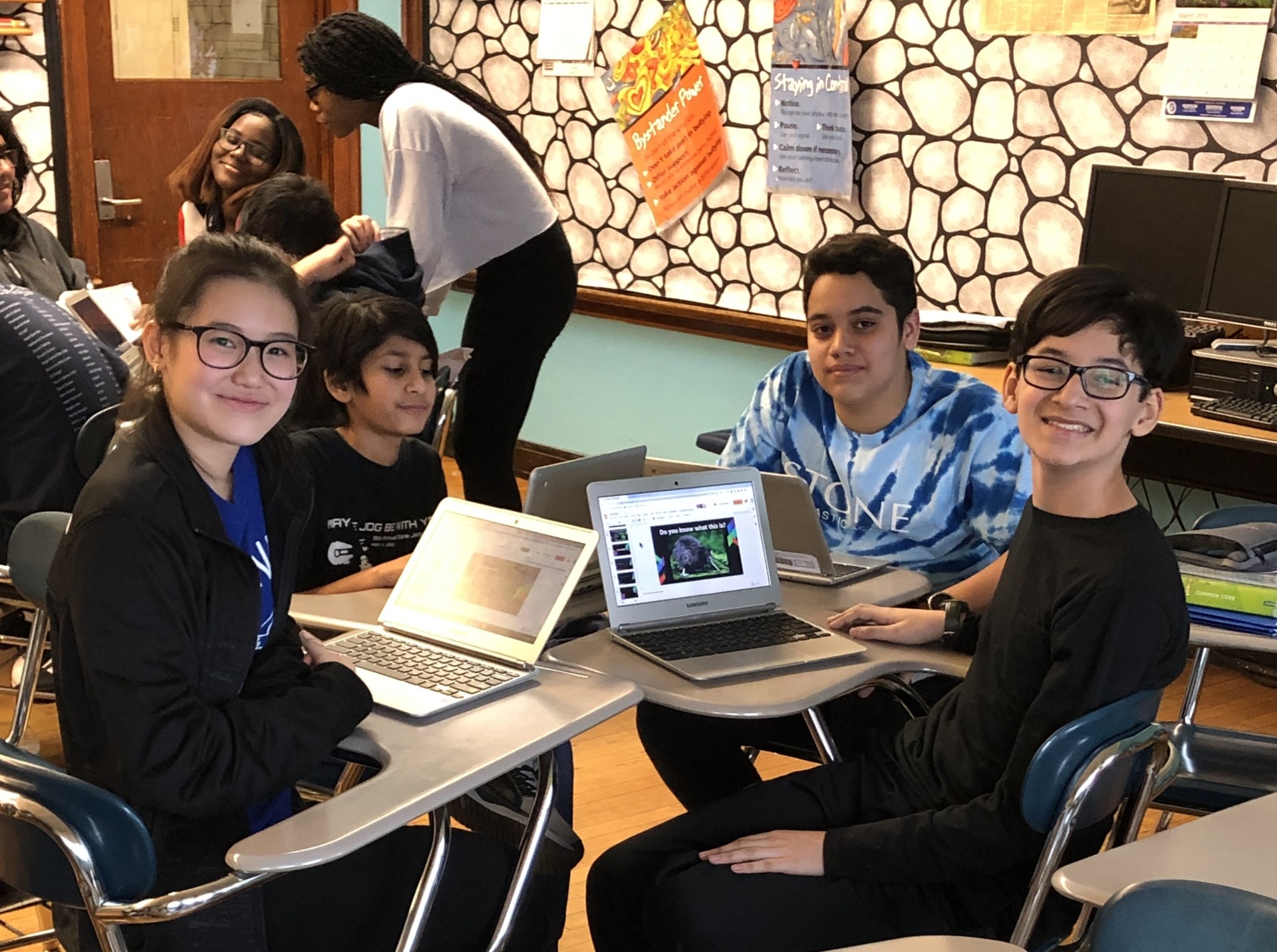
Music has the power to engage, inspire, and create meaningful learning opportunities. At MeMA-Music, participants explore the meaning in music through lyric analysis, guided discussion, reflection, and creative expression.
Through arts-integrated learning experiences, participants strengthen literacy, critical thinking, communication, and historical and civic awareness while examining the past and present through music and media. By connecting what they learn to their lived experiences and the world around them, participants develop greater self-awareness and a deeper understanding of themselves and society.
Our approach provides space for participants to build confidence, express themselves creatively, and discover new ways to communicate and connect. For young people facing significant life challenges, music and creative expression can offer additional pathways for reflection, self-awareness, and personal growth.
Under her leadership, MeMA-Music has spent 15 years partnering with schools and community organizations across Chicago to bring music-based learning to youth and young adults.
Meet Our Founder – Jeanne Warsaw
A trailblazer in the music industry, Jeanne Warsaw, a Chicago native, brings more than 20 years of experience working with iconic artists, including Janet Jackson, David Bowie, The Rolling Stones, Isaac Hayes, Lenny Kravitz, and many others.
She began her career at the legendary Chicago music retailer Rose Records before joining Sony Records in New York as a Radio Promotion Assistant. Over the years, Jeanne held executive promotion and marketing leadership positions with Sony Music, RCA, Elektra/Warner Bros., and Virgin Records before founding her own consulting company, JW Promotions.
Throughout her career, Jeanne witnessed the power of music to capture attention, communicate ideas, and bring people together. That experience inspired her to establish MeMA-Music, Inc., a nonprofit dedicated to expanding educational and creative opportunities for youth and adults in underserved communities through innovative, music-centered programming.
For 15 years, Jeanne has developed original curricula and transformative arts-integrated programs that use meaningful music and creative expression to strengthen literacy, communication, critical thinking, and self-awareness. Participants explore history, society, civic understanding, and contemporary issues through music while developing new perspectives and a deeper understanding of themselves and the world around them.
Through partnerships with schools and community organizations across Chicago, Jeanne has helped create engaging learning experiences that encourage reflection, creativity, and meaningful dialogue while empowering participants to recognize their potential and contribute to their communities. Her work also includes trauma-informed programming for youth and adults, including veterans, providing supportive spaces for reflection, resilience, and personal growth through music.
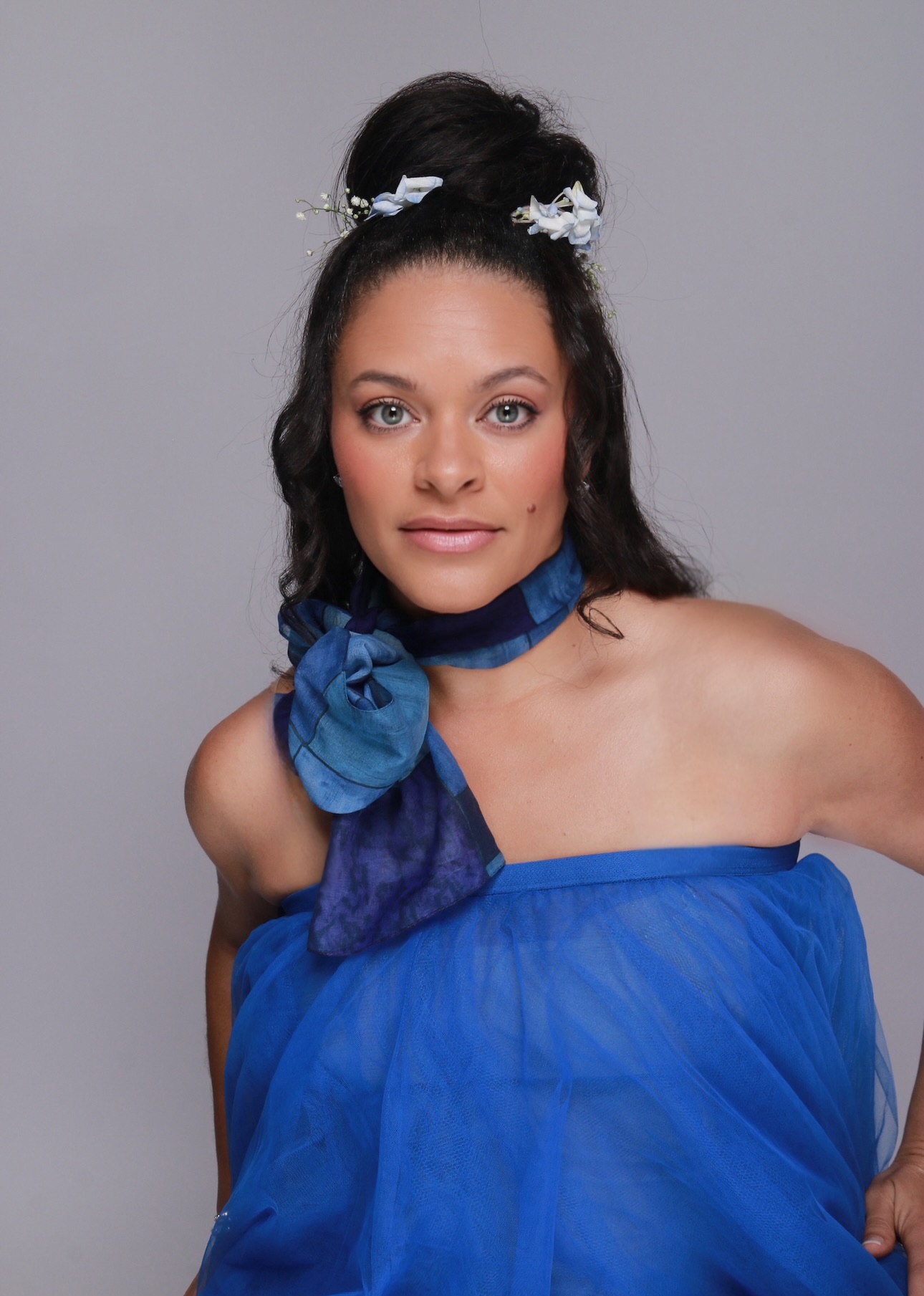
Mali brings her music industry experience, voice, and influence to champion our mission and help expand opportunities for young people through the power of music.
Meet Our Creative Arts Partner – Mali Wilson
Grammy-nominated, Emmy-winning artist, producer and music industry executive Mali Wilson brings decades of experience and a shared belief in the transformative power of music to her role as a MeMA-Music Creative Arts Partner. Founder and owner of Stone Wood Music Studios, Mali has worked with and helped nurture the talents of some of music’s most recognized artists, including Whitney Houston, Drake, Lenny Kravitz and Usher.
Her commitment to creative expression, developing talent and creating opportunities for the next generation closely aligns with the values at the heart of MeMA-Music.
“I’ve watched Jeanne and the MeMA-Music family show up for Chicago’s young people before the world changed, through the hardest days of the pandemic, and long after. That’s the kind of leadership I believe in. Music gave me a future, and I know it can do the same for the next generation. I’m honored to serve as a MeMA-Music Creative Arts Partner, not to stand on the sidelines, but to stand beside Jeanne in the trenches, helping every child discover that their voice, their story, and their dreams matter.”
— Mali Wilson
Our Experience & Partnerships
Long-term program partnerships that support meaningful, sustained youth engagement
Collaboration with educators and community leaders to develop relevant learning experiences
Professional artists and creative practitioners who bring real-world expertise to our programs
Support from foundations and individual donors committed to arts and youth development
Our Partners